The Disconnect Between “Normal” Results and How You Actually Feel
If you’ve been told your blood tests are “normal” but you still feel exhausted, foggy, hormonal, or simply not like yourself anymore, you’re not imagining it.
This is one of the most common frustrations I hear in my naturopathic clinic – particularly from women in their 40s, 50s, and 60s who know something isn’t right, yet are being told everything looks “fine” on paper.
The truth is, standard pathology reference ranges show what is considered normal for the general population – not what is optimal for your individual health. This means you can sit well within those ranges and still experience very real, significant symptoms that affect your daily life.
This Is More Common Than You Think
You are not alone in feeling dismissed or confused when test results don’t match your lived experience.
Many women in midlife come to me after being told:
- “Your thyroid is fine.”
- “Your hormones are normal for your age.”
- “Everything looks good – just try to exercise more and eat less.”
Yet they’re experiencing:
- Persistent fatigue, even after a full night’s sleep
- Stubborn weight gain that doesn’t respond to diet or exercise
- Brain fog and difficulty concentrating
- Mood changes, irritability, or feeling emotionally flat
- Sleep disturbances or waking unrefreshed
- Digestive issues like bloating, constipation, or reflux
- Aches, pains, or stiffness that won’t shift
- Hot flushes, night sweats, or hormonal fluctuations
If this sounds familiar, there is a reason – and there is also a clearer path forward.
Why “Normal” Doesn’t Always Mean “Well”
Standard blood test reference ranges are based on statistical averages across a large population. They show what most people fall within, not what represents optimal function for you as an individual.
Think of it this way: a reference range might consider your thyroid function “normal” if it falls anywhere between the lowest 2.5% and highest 97.5% of the population tested. But where you sit within that wide range matters significantly.
For example:
- Your thyroid stimulating hormone (TSH) might be 3.5 mIU/L, which sits within the “normal” range of 0.5–4.5. But many women feel much better with a TSH closer to 1.0–2.0.
- Your ferritin (iron stores) might be 30 µg/L, which is technically “normal” (above 15), but you may need levels closer to 70–90 to feel energised and support healthy hair and nails.
- Your vitamin D might be 55 nmol/L, which is “adequate,” but research suggests 75–100 nmol/L may be more supportive for immune function, mood, and energy.
These differences might seem small on paper, but they can make a significant difference to how you feel day to day.
What Traditional Blood Tests Can Miss
Standard pathology testing often focuses on identifying disease rather than assessing optimal function.
This means:
- Early or functional imbalances may not show up clearly
- Nutrient deficiencies might not be tested at all
- Hormone conversion issues may be missed
- Inflammation markers might not be included
- Stress and adrenal health are rarely assessed
- Thyroid antibodies (important for autoimmune thyroid conditions) may not be checked
Blood tests are valuable, but they’re only one piece of the puzzle – not the whole picture.
How a Naturopathic Approach Looks Deeper
In my clinic, I don’t rely on blood tests alone.
I listen carefully to your signs, symptoms, and lived experience, because your body is constantly communicating what it needs.
I also use traditional naturopathic assessment tools that offer deeper insight into what is happening beneath the surface:
Tongue analysis
The tongue can reveal information about digestion, inflammation, hydration, nutrient status, and circulation.
Nail analysis
Nails often show signs of nutrient deficiencies, thyroid imbalances, or poor circulation before blood tests do.
Iridology
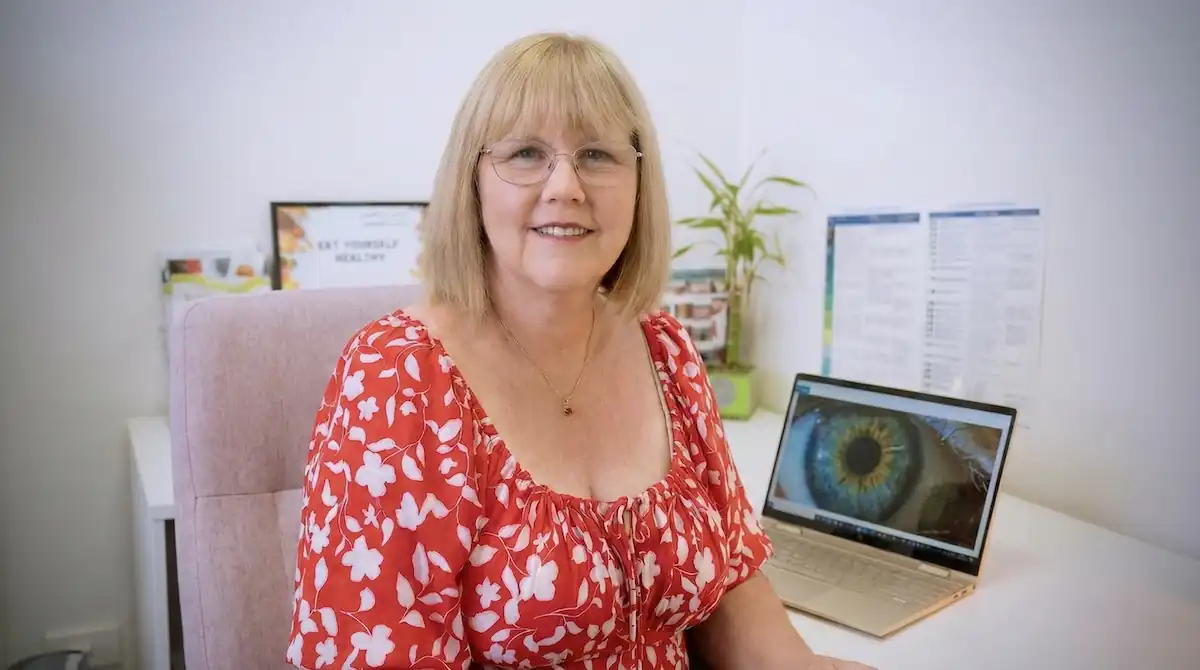
The coloured part of the eye can provide insight into constitutional strengths and weaknesses, inflammation patterns, and tissue health.
Face mapping
Skin changes, puffiness, colour, and texture can indicate hormonal shifts, inflammation, or digestive stress.
Comprehensive clinical history
Your health timeline, family history, stress levels, sleep quality, digestion, energy patterns, and emotional wellbeing all matter.
When you combine these assessments with a thorough review of your current symptoms, health goals, and any available blood work, a much clearer picture emerges.
What This Means for Midlife Women
During perimenopause and menopause, your body goes through significant hormonal shifts that affect metabolism, energy, mood, sleep, weight regulation, and inflammation.
These changes don’t always show up clearly on standard blood tests – especially if testing is limited to basic thyroid function or cholesterol levels.
But they are very real, and they deserve to be taken seriously.
This is also the time when:
- Insulin resistance becomes more common
- Cortisol patterns shift due to stress
- Nutrient needs increase
- Digestive function may slow
- Thyroid function often becomes less efficient
All of these factors influence how you feel, how your body responds to food, and whether you can maintain a healthy weight.
The Role of Personalised Nutrition and Holistic Support
Once we understand what is actually happening in your body, we can create a plan that supports you properly.
This often includes:
- Personalised nutrition based on your unique needs, not generic diet advice
- Targeted nutritional or herbal support when needed to address deficiencies, inflammation, or hormonal imbalances
- Realistic lifestyle adjustments around sleep, stress, and movement
- Ongoing support and coaching to help you stay on track
The goal is always to bring your body back into balance so it can function the way it’s meant to – releasing excess weight naturally, restoring energy, improving sleep, and helping you feel like yourself again.
If This Sounds Like You
If you’ve been told “everything is normal” but you don’t feel right anymore – and especially if you’re gaining weight for no clear reason – there is a deeper explanation.
You’re not broken, and you’re not being difficult.
Your body is asking for something specific, and standard testing may not have uncovered what that is yet.
This is where a naturopathic approach can make all the difference.
What to Do Next
You don’t have to keep feeling this way, and you don’t have to figure it out alone.
If you’re ready for a clearer understanding of what’s happening in your body and a personalised plan to support you properly, I’d be glad to help.
You can book:
- In-person consultations at my clinic in Seaview Downs, South Australia
- Online consultations via Zoom or phone if you’re based elsewhere in Australia
The first step is a comprehensive naturopathic consultation where we take the time to listen, assess, and understand what your body needs.
From there, we create a clear, realistic plan designed specifically for you.
[Book your consultation here] and take the first step towards feeling well again – naturally.
Being Heard and Understood
Feeling unwell when your tests say you’re “fine” is frustrating, isolating, and deeply unfair.
But it’s also a clear sign that something needs attention – and that attention doesn’t have to come from more of the same approach.
Sometimes, the missing piece is simply being heard, understood, and supported in a way that honours your whole experience – not just the numbers on a page.
That’s exactly what naturopathic care offers, and it’s what I’m here to provide.

Jeannette Scapens
Jeannette Scapens is a qualified naturopath and Certified Metabolic Balance® Coach based in Seaview Downs, SA, supporting women in her local clinic, and Australia-wide via telehealth.
She specialises in helping women aged 40-60+ navigate metabolic and hormonal challenges like thyroid issues, perimenopause, and stubborn weight gain.
Jeannette's "Science + Spirit" approach blends evidence-based care with mindset support, deeply informed by coaching over 240 clients and her own personal success in overcoming Hashimoto's and releasing 17kg.